In my photography there is one rule that comes before everything else: show reality as it is. This applies to people, interiors, architecture, and especially to food photography. When I photograph a dish, I do not want to create an illusion. I want to show what the customer will actually receive. No fake promises. No images that have nothing to do with the real experience.
This philosophy is at the core of my approach to professional food photography.
In commercial food photography, the use of non-edible elements is very common. It is often accepted, but rarely discussed openly.
Some typical examples include:
- Shaving foam instead of whipped cream on milkshakes
- Glue instead of milk, because it stays white and thick
- Mashed potatoes shaped like ice cream
- Engine oil used as syrup for shine
- Spray paint to make food look glossy
- Cardboard or sponges to add volume
- Fake grill marks painted on food
The images may look perfect. But they have very little to do with what the customer will actually eat.
Large food chains are the clearest example. We’ve all seen the towering, pristine burgers on billboards, but have you ever stopped to ask: Did you ever get a burger from McDonald’s that actually looked like their advertisement?
The discrepancy exists because those "hero" burgers are engineered with many of the tricks listed above. They are sculptures, not meals. What arrives on your tray is a different story, the bun is squashed, the cheese isn't "perfectly" melted, and the volume is gone.
The Question of Ethics: When the gap between the photo and the plate becomes too wide, you lose the most valuable thing a brand has: trust.
During a recent shoot, while discussing milkshake photography, a client asked if it would be better to use shaving foam instead of real cream. My answer was simple: no. Not because it does not work visually. But because it does not fit my philosophy.
This is where my approach to food photography diverges. I choose to work outside the world of industrial "plastic" food. My philosophy is simple: I only shoot real, edible food. By excluding the high-street "fakes" and focusing on genuine ingredients, I capture the honest beauty of a dish. I don't need engine oil or glue because I believe the texture of real food is far more appetizing than any chemical substitute. My goal isn't to create a perfect lie, it's to capture an irresistible truth.
I believe food should always be respected. Whether it is handmade, farmed, or industrially produced, food has value. It is the result of work, time, and resources. And it exists to nourish people. Using non-edible products or turning food into something that cannot be eaten goes against that principle.
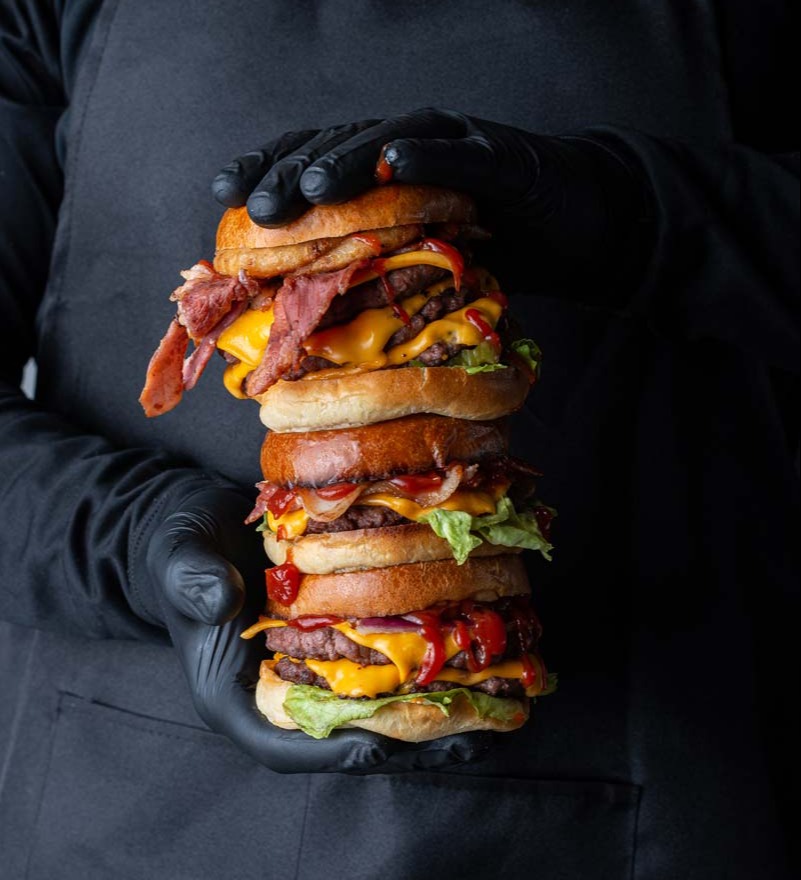
For this reason, I photograph only real, edible food. Food that exists. Food that can be eaten.
This also changes how I work on set:
- Food is touched as little as possible
- Hands are clean or gloves are used
- No chemical or non-food products
- Hygiene is always respected
This approach becomes even more important when shooting high volumes of food, such as for food delivery platforms.
When photographing 300+ products, waste can be enormous. My method helps reduce waste and allows food to be:
- Properly packed
- Reused
- Donated when possible
This is an ethical choice, but also a practical one.
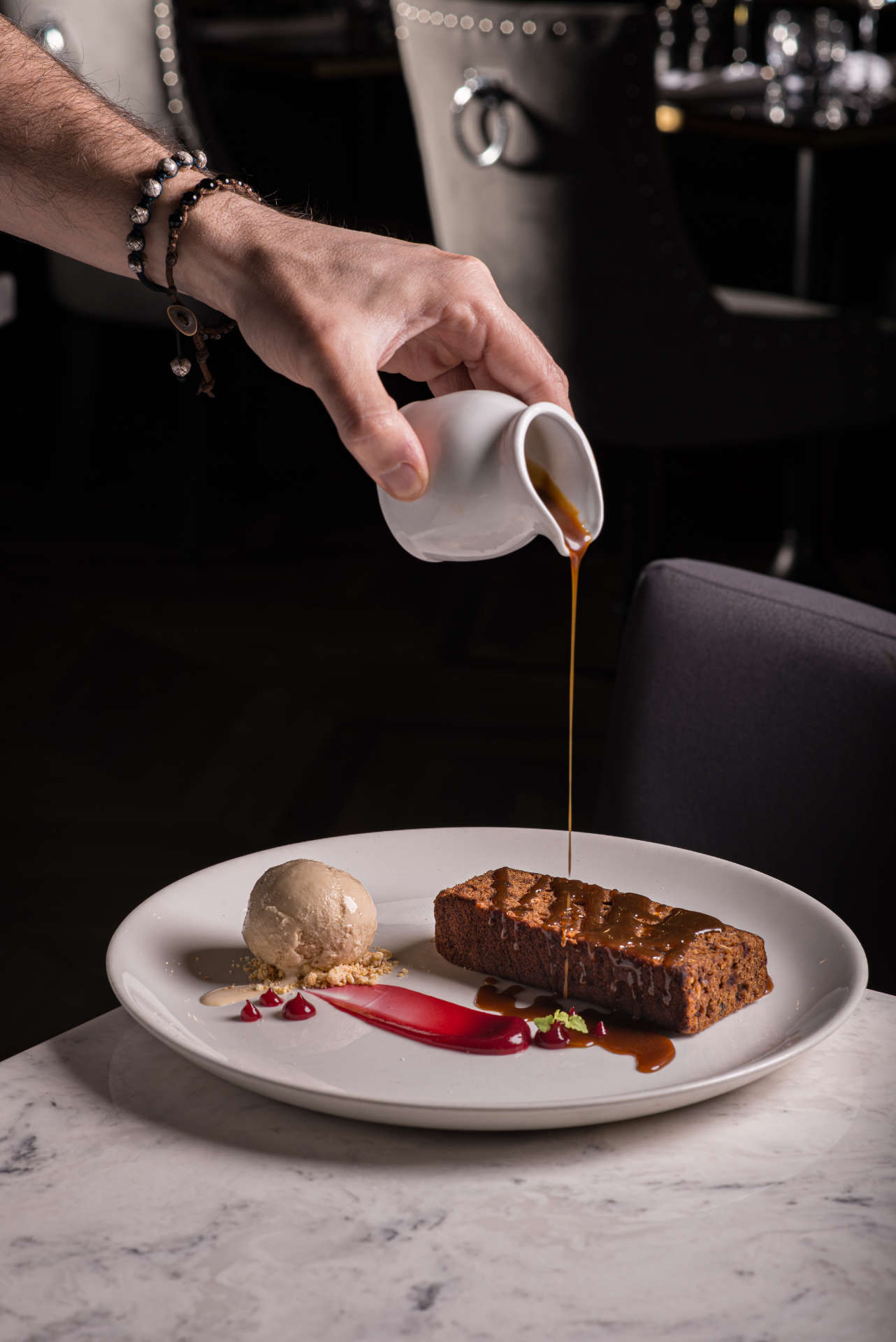
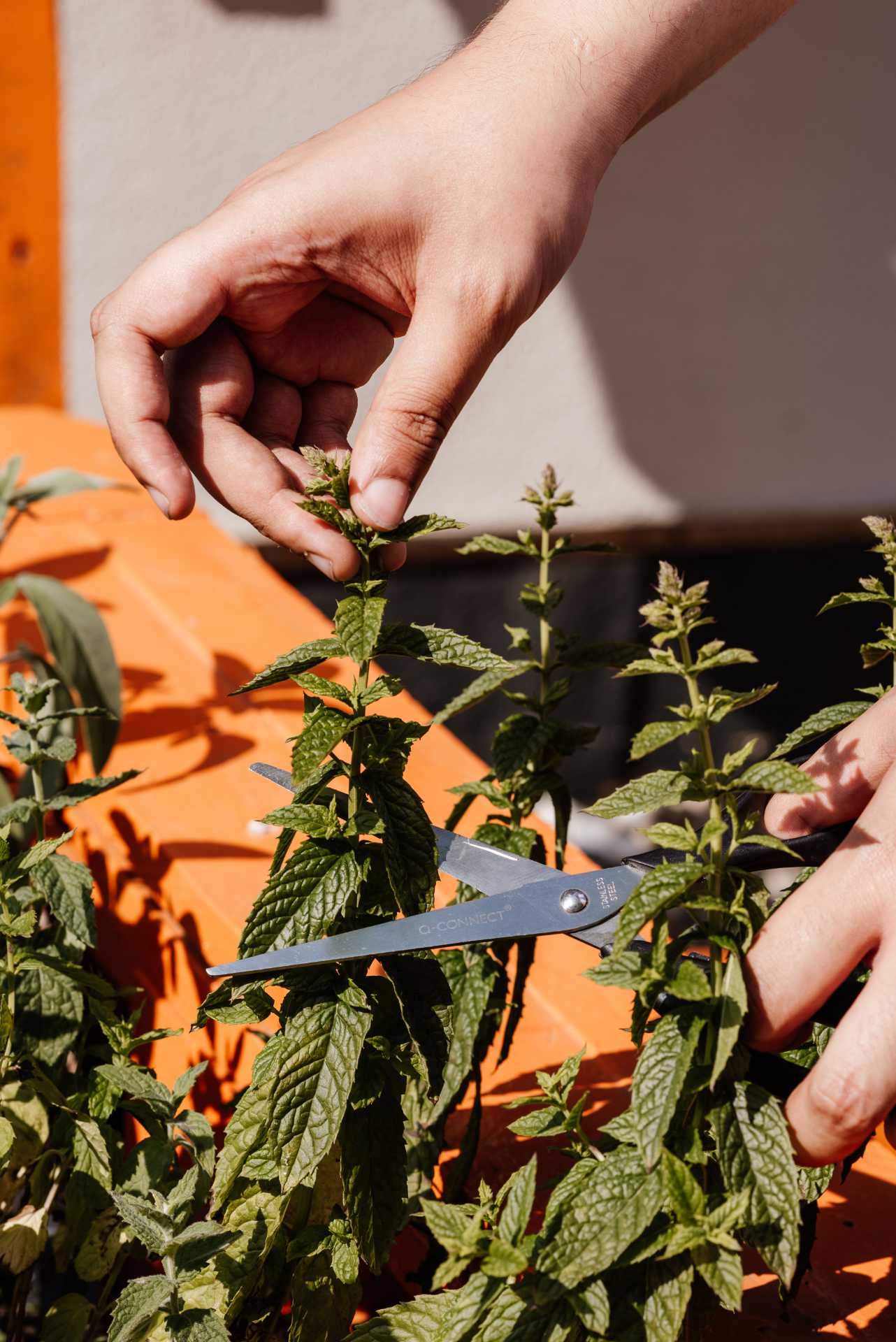
This philosophy is not just personal. It offers real value to restaurants, brands, and delivery platforms.
Honest food photography:
- Builds trust
- Matches expectations with reality
- Improves customer experience
- Reduces negative reviews like “it doesn’t look like the photo”
In food delivery photography, this is essential.
A realistic image performs better in the long term than a perfect but misleading one.
My food photography is not about tricking the eye. It is about showing food with respect, accuracy, and honesty. For me, a good food photo is not the most perfect one. It is the one that keeps a promise.
A simple promise: what you see is what you get.
Your food has evolved. Your images should too.
Contact me to renew your restaurant photography with clean, authentic images made for premium brands and delivery platforms.